
Call us on
+44 (0)1268 777871From flat roofs and balconies to terraces, podiums, and walkways, our systems provide waterproofing protection, seamless coverage, and is BBA Certified for in excess of 30 years as per Agrément Certificate 22/6183.
Liquid waterproofing involves applying a specialist coating directly to a prepared surface, forming a flexible, waterproof membrane. These systems are increasingly popular for both new build and refurbishment projects, offering versatility across different substrates and project requirements. Whether you need a cold applied or hot applied solution, Proteus has a system to suit.
What is Liquid Waterproofing?
Liquid waterproofing is a method of creating a barrier, by applying a liquid membrane over a surface, which then cures to form a seamless, joint-free protective layer. The liquid can be either cold applied or hot applied, depending on the project’s needs. Once cured, the membrane resists water ingress, reinforces the substrate, and extends the surface’s lifespan.
This approach is commonly used for flat roofs, balconies, podium decks, terraces, and walkways. It’s especially valued for its ability to work around complex detailing and upstands, delivering a smooth, uninterrupted finish even in challenging areas.
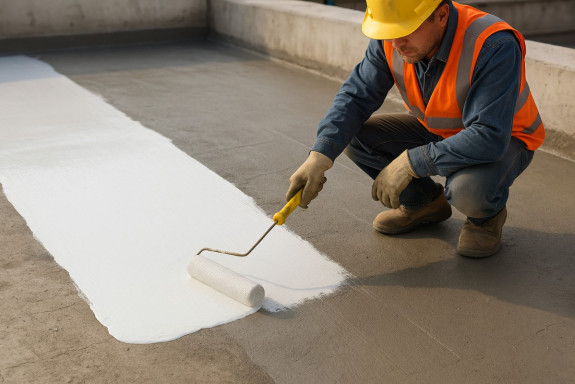
Cold Applied Liquid Waterproofing vs Hot Applied Waterproofing
Choosing between cold applied and hot applied liquid waterproofing systems depends on your specific project requirements, site conditions, and safety considerations. Both approaches deliver seamless waterproofing solutions, but each offers distinct advantages suited to different applications.
Factors such as substrate type, access constraints, weather conditions, building occupancy, and long-term performance expectations all play a role in determining the most appropriate system. Below, we explore both types in more detail to help you make an informed decision for your project.
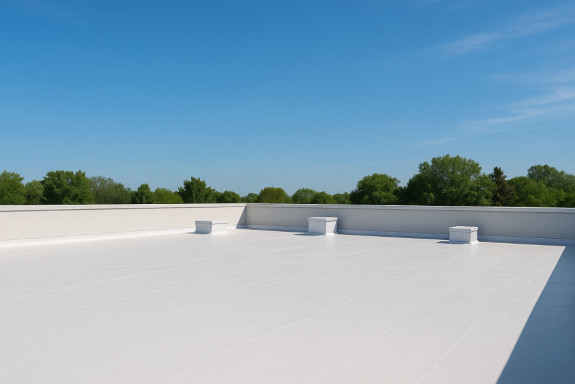
What is Cold Applied Liquid Waterproofing?
Cold applied liquid waterproofing involves the use of resin-based systems that are applied at ambient temperatures, without the need for heating. These systems form a flexible waterproofing membrane that bonds well to a range of substrates, including concrete, timber, bitumen, and metal.
Benefits of Cold Applied Systems:
- Safe application: No open flames, making it ideal for sensitive or occupied environments.
- Low odour and low disruption: Ability for some systems with low odour. Suitable for schools, hospitals, and residential settings.
- Flexible design: Adapts to complex surfaces and detailing.
Cold applied liquid waterproofing is widely used for roof refurbishments, balconies, gutters, walkways, and inverted roofs.
What is Hot Applied Liquid Waterproofing?
Hot applied liquid waterproofing uses bitumen-based systems that are heated before being poured onto the surface. Once applied, they form a roofing membrane with excellent adhesion.
Benefits of Hot Applied Systems:
- Capabilities: resistant to root penetration, ideal for use in roof waterproofing specifications for roof gardens and green roofs.
- Seamless: Reduces the risk of water ingress through joints.
- Applications: Inverted, Protected, Green and blue roof specifications as well as Podiums, Terraces and Balconies.
- Service life: When fully protected and subject to normal service conditions, the system can provide an effective barrier to the transmission of liquid water and water vapour for the life of the roof in which is it incorporated.
BBA Agrément Certificate 22/6186
Hot-applied systems are frequently specified for new build podiums, car parks, green roofs, and protected roof areas.
Why Specify Proteus Liquid Waterproofing Systems?
With a strong reputation across numerous projects, Proteus Waterproofing offers UK-manufactured, BBA-certified liquid systems that meet the highest industry standards. Our cold and hot applied solutions are specified across new build and refurbishment projects, including green roofs, blue roofs, and complex roof systems.
Our expert technical support, on-site guidance, and design advice ensure smooth delivery from specification to installation. Whatever the project size or complexity, Proteus delivers the right waterproofing solution.
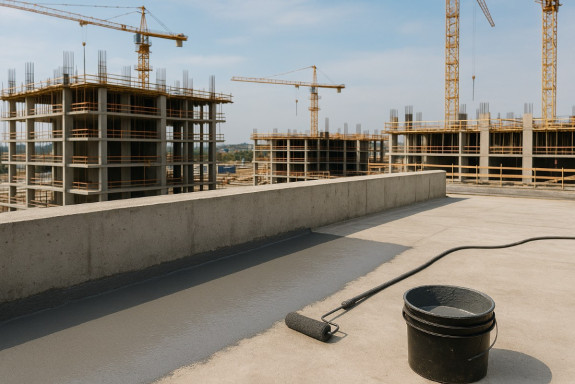
View our Liquid Waterproofing products
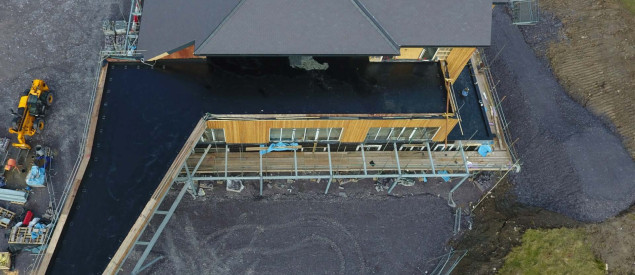
Cold Melt®
Cold Melt® is a two-part elastomeric polyurethane membrane that delivers seamless leak protection for protected roofs, including zero fall designs. Incorporating recycled rubber crumb and castor oil, this BBA-certified system (Certificate 23/6654)...
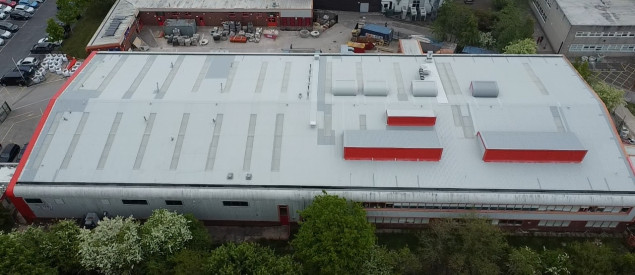
Proteus Pro-Cold®
Proteus Pro-Cold® is a seamless and cold-applied waterproofing membrane for flat roofs, pitched roofs and a waterproofing coating to Proteus’ Built-Up Roof systems.
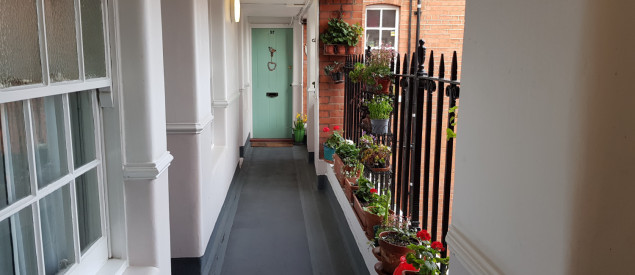
Pro-BW® Plus
Pro-BW® Plus is a liquid-applied, protective coating that provides a colourfast, UV stable, and skid resistant surface for balconies and walkways.
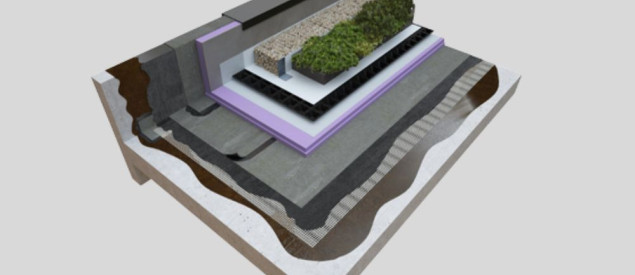
Proteus Hot Melt®
A durable waterproofing solution for contemporary roofing needs, BBA certified as an effective barrier for the service life of the roof.
FAQs
-
How often should I have my waterproofing system maintained?
The frequency of maintenance required for your waterproofing system will depend on a number of factors, including the type of system, the environment in which it is installed, and the level of traffic it receives. We recommend that you have your waterproofing system inspected by a qualified professional at least once a year to determine the appropriate maintenance schedule.
-
What are liquid applied membranes (LAM) in respect to flat roofs?
LAMs, applied as a liquid, cure to form a continuous waterproof membrane. LAMs are available in a variety of materials.
-
How long does liquid waterproofing last?
When fully protected and subject to normal service conditions, Proteus Liquid waterproofing systenms can provide an effective barrier to the transmission of liquid water and water vapour for the life of the roof in which is it incorporated.
Both our cold and hot applied systems come with warranties dependant on completed site assesments and require minimal maintenance when properly installed.
-
What surfaces can be waterproofed with liquid systems?
Liquid waterproofing can be applied to a wide range of substrates including concrete, timber, bitumen, metal, and existing waterproofing membranes. They're commonly used on flat roofs, balconies, terraces, podium decks, walkways, gutters, and around complex detailing and upstands.
The seamless application makes them particularly effective for areas where traditional sheet systems would require multiple joints or complex cutting.
Case studies
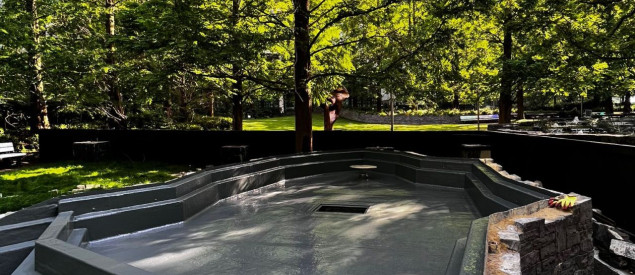
Jubilee Park Fountains, London
Located in one of London’s most iconic locations, Jubilee Park at Canary Wharf, the fountains are a much-loved feature in this vibrant public space. The existing fountain liner required refurbishment to ensure long-term durability and performance.